
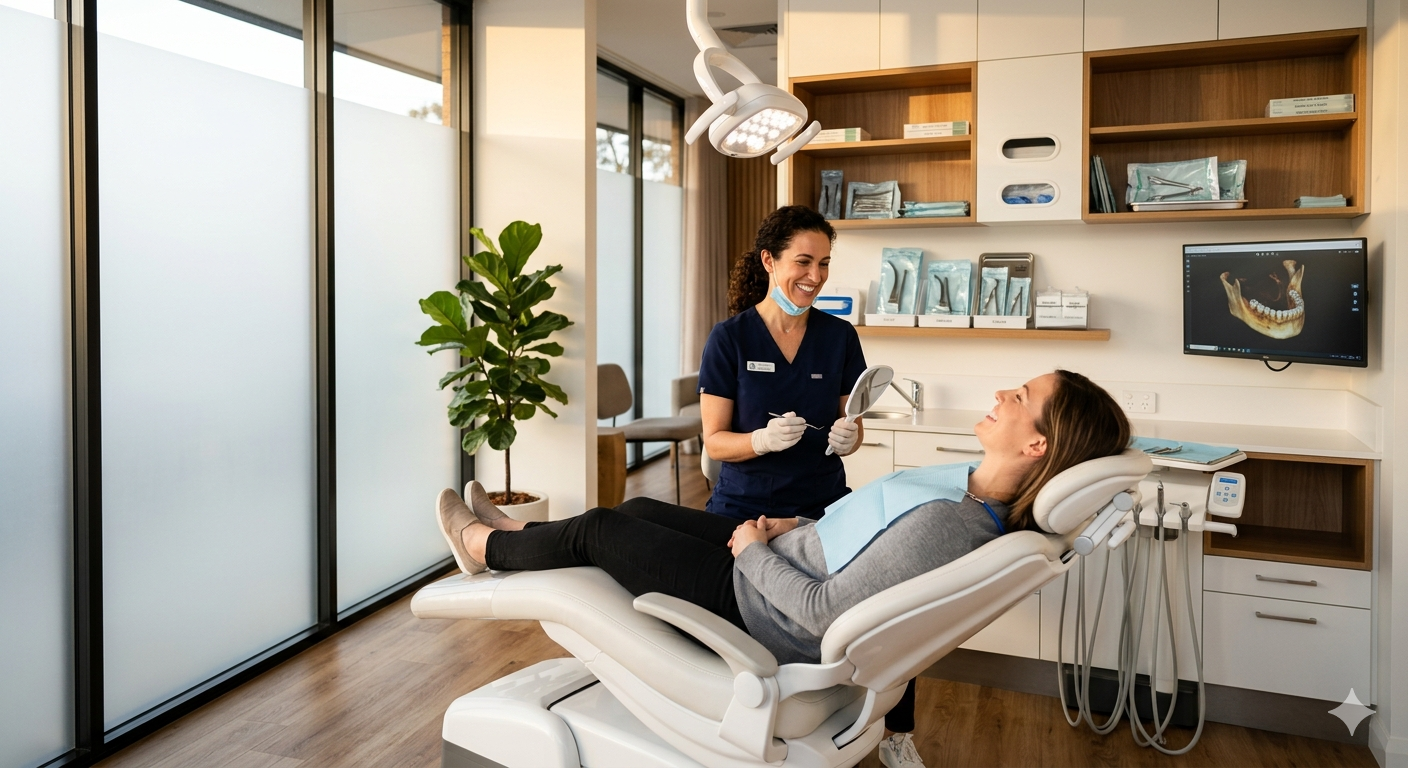
When dental emergencies strike, finding fast, reliable care is crucial to ease pain and prevent further damage. In Fullerton, CA, emergency dentists are ready to provide prompt treatment for issues like severe toothaches, broken teeth, or sudden injuries. An emergency dentist in Fullerton offers quick access to expert care when unexpected dental problems arise, often providing same-day appointments to address urgent needs.
Many emergency dental clinics prioritize patient comfort and use modern techniques to manage pain and stabilize the condition efficiently. Whether it’s a knocked-out tooth or a painful abscess, these professionals have the skills and tools to help patients feel better quickly.
Knowing where to turn in a dental emergency can make all the difference. For residents of Fullerton, having a trusted emergency dentist nearby means less stress and faster relief, making it easier to focus on recovery and follow-up care.
Understanding Dental Emergencies
Knowing what counts as a dental emergency, why sudden pain happens, and the right actions to take can make a critical difference in saving a tooth and easing discomfort. Quick, informed responses help reduce complications and ensure timely care.
What Qualifies as a Dental Emergency
A dental emergency involves pain, trauma, or health risks that require immediate attention. This includes severe toothaches, knocked-out teeth, broken restorations, and infections causing swelling.
Not all dental problems need emergency care; for example, minor chips or sensitivity can wait for regular appointments. But if there is uncontrollable bleeding, swelling affecting breathing, or intense pain that won’t stop, prompt professional help is essential.
Emergency dentists assess severity, manage pain, and prevent infection or further damage. Identifying emergencies quickly helps avoid worsening conditions and can sometimes save a tooth from extraction.
Common Causes of Sudden Dental Pain
Sudden dental pain often comes from infections, trauma, or underlying dental conditions. Tooth decay reaching the nerve causes sharp pain, as does an abscessed tooth, marked by throbbing and swelling.
Grinding teeth or biting hard objects can crack teeth or damage fillings, triggering immediate discomfort. Sometimes pain is related to gum disease or irritation caused by exposed root surfaces.
Other causes include impacted wisdom teeth or changes in sinus pressure affecting upper teeth. Recognizing the source helps guide the right treatment and prevents more serious problems.
How to Respond in Urgent Dental Situations
When a dental emergency happens, keeping calm and acting quickly is key. For knocked-out teeth, retrieve the tooth by the crown, avoid touching the root, rinse gently, and try placing it back in the socket or store it in milk.
For severe pain, rinse with warm water, use a cold compress on the outside of the cheek, and avoid aspirin directly on gums to reduce inflammation. Control bleeding by gently biting gauze or a clean cloth.
Contacting an emergency dentist in Fullerton as soon as possible ensures professional care. Early intervention reduces complications, protects your smile, and helps manage pain effectively.
Immediate Steps to Take at Home
During a dental emergency, knowing exactly what to do can ease pain and prevent further damage. Quick actions like managing discomfort, protecting teeth, and recognizing when to get professional care make a significant difference in outcomes.
Managing Pain and Swelling
Pain and swelling are common after a dental injury. Applying a cold compress to the outside of the cheek can reduce swelling and numb the area. Use the compress for 15 minutes at a time, with 15-minute breaks between applications.
Over-the-counter pain relievers like ibuprofen help control pain and inflammation. It’s important to avoid aspirin because it can thin the blood and increase bleeding. Avoid hot or cold foods and drinks as they may worsen sensitivity.
Keeping the head elevated reduces blood flow to the injured area, which can lessen throbbing. Rinsing gently with warm salt water can also promote cleanliness and decrease irritation, but avoid vigorous rinsing if there’s bleeding.
Protecting Damaged Teeth
If a tooth is chipped, cracked, or knocked out, protecting it until treatment is crucial. For a chipped tooth, rinse the mouth with warm water and save any fragments if possible. Avoid biting hard or chewy foods to prevent further damage.
In the case of a knocked-out tooth, handle it by the crown (the top part) and avoid touching the root. If possible, place the tooth back in its socket immediately. If that isn’t feasible, store it in a container with milk or saline solution to keep it moist.
Use a clean cloth or gauze to apply gentle pressure and stop any bleeding. Avoid using sharp objects or applying excessive force on the damaged area. Protect the area with a soft bite guard if swelling makes chewing difficult.
When to Seek Professional Help
Immediate professional care is necessary if there is severe pain, uncontrollable bleeding, or swelling that affects breathing or swallowing. A knocked-out tooth has the best chance of being saved if treated within an hour after the injury.
Seek dental attention for any tooth that is loose, displaced, or fractured deeply. Also, persistent pain, signs of infection like pus or fever, or inability to close the mouth properly indicate serious problems needing urgent care.
If a child experiences a dental emergency, prompt evaluation is important since their teeth and jaws are still developing. Contacting an emergency dentist in Fullerton, CA quickly ensures the right treatments happen promptly for the best results.
Modern Emergency Treatments in Fullerton
Fullerton’s emergency dental care uses advanced methods to relieve pain quickly, restore teeth efficiently, and manage infections effectively. Patients can expect same-day treatments tailored to their needs, designed to minimize discomfort and downtime.
Pain Relief and Infection Management
Pain is often the first sign that something needs urgent attention. Dentists in Fullerton prioritize fast, effective pain relief using targeted local anesthetics and oral medications. They assess the root cause, whether it’s a toothache from decay, abscess, or trauma.
For infections, the focus is on controlling swelling and preventing spread. Antibiotics are prescribed when necessary, combined with drainage or root canal therapy if the infection is severe. Patients are monitored closely to ensure symptoms improve promptly.
Same-Day Restorations
Many Fullerton emergency dentists offer same-day restorations using digital imaging and strong, tooth-colored materials like composite resin or ceramic. This lets patients avoid multiple visits and get back to their routine quickly.
Procedures such as filling cavities, placing crowns, or bonding chipped teeth happen in a single appointment. These restorations not only restore function but also blend seamlessly with natural teeth, boosting confidence along with comfort.
Repairing Broken or Lost Teeth
When a tooth breaks or is knocked out, time is critical. Fullerton dentists provide prompt evaluation and use techniques like dental bonding or crowns for broken teeth to restore shape and strength.
For knocked-out teeth, immediate re-implantation is sometimes possible if the patient arrives quickly enough. When re-implantation isn’t an option, dentists discuss alternatives like dental implants or bridges to restore the smile permanently.
Choosing the Right Dental Expert
Selecting the best emergency dentist means focusing on qualities that inspire trust and ensuring care is available when it’s needed most. Patients benefit from expertise paired with reliable and timely access to treatment. Comfort, professionalism, and quick response times are key factors to weigh.
Qualities of a Trusted Emergency Dentist
A trusted emergency dentist in Fullerton, CA, combines skill with compassion. They listen carefully to pain or injury descriptions and explain procedures clearly to reduce patient anxiety. Cleanliness, updated technology, and certified credentials reflect professionalism and commitment.
Patients should look for dentists with experience handling a wide range of urgent dental issues—like broken teeth or severe toothaches. Positive reviews or recommendations add another layer of confidence. Transparency about treatment costs and options helps avoid surprises when care is needed fast.
Importance of After-Hours Availability
Dental emergencies rarely happen during business hours. After-hours availability ensures patients can get prompt care without extended pain or damage. Emergency dentists who offer evenings, weekends, or even 24/7 services provide peace of mind.
This flexibility means treatment begins quickly, preventing complications and often reducing the need for more invasive procedures later. Before an emergency happens, knowing which offices provide after-hours services can save critical time and stress.
What to Expect During Your Visit
When visiting an emergency dentist in Fullerton, CA, patients will find care that prioritizes comfort and clear communication. The team works to ease pain quickly while keeping patients informed every step of the way.
Comfort-Focused Care
The dental staff often begins by assessing pain levels to determine the best immediate relief methods. Local anesthetics or sedatives may be offered to manage discomfort during treatment. Modern equipment and techniques aim to minimize anxiety and make procedures as gentle as possible.
Patients can expect a calm environment with staff trained to support nervous or stressed individuals. Pain control is central, whether the emergency is a toothache, broken tooth, or soft tissue injury. Comfort isn’t just physical—it includes emotional support throughout the visit.
Patient Communication and Support
Clear communication is a priority. The dentist typically explains the diagnosis and treatment options in simple terms so patients feel informed rather than overwhelmed. Questions are welcomed to ensure understanding before any procedure begins.
During treatment, updates on progress and next steps are provided, helping patients stay engaged and at ease. Aftercare instructions are given clearly, often in written form, so patients know exactly how to manage recovery at home. This open dialogue builds trust and reduces uncertainty during stressful dental emergencies.
Tips for Preventing Future Emergencies
Preventing dental emergencies requires consistent care and smart choices. Daily habits, protective measures during activities, and regular dental visits all play a role in keeping teeth strong and healthy.
Daily Oral Health Habits
Brushing twice a day with fluoride toothpaste helps remove plaque and prevent decay. Using a soft-bristled toothbrush protects gums from irritation. Flossing daily removes food and bacteria between teeth where brushing can’t reach.
Avoid chewing on hard objects like ice or pens that can crack teeth. Drinking plenty of water supports saliva production, which naturally cleanses the mouth. Cutting back on sugary snacks reduces the risk of cavities that might lead to emergency visits.
Protective Gear for Sports
Wearing a custom-fitted mouthguard during contact sports shields teeth from impact. Over-the-counter mouthguards can provide some protection but may not fit as well or offer enough cushion. Helmets and face guards add extra safety, especially in high-risk activities.
Athletes should replace mouthguards regularly to maintain effectiveness. Even non-contact sports can lead to accidental injuries, so wearing protection is a smart preventive step.
Regular Dental Checkups
Visiting the dentist every six months helps catch issues early before they become emergencies. Professional cleanings remove buildup that brushing can’t reach and keep gums healthy.
Dentists can identify weak spots, cracks, or signs of decay and offer treatments to strengthen teeth. Discussing any discomfort or changes in the mouth during these visits ensures prompt attention. Regular checkups also allow patients to ask questions and get tailored advice.
How to Prepare for Urgent Dental Care
When facing a dental emergency, the first step is to stay calm. Gathering essential information before heading to the dentist can make the process smoother and less stressful.
It’s helpful to write down any symptoms you experience, like pain levels, swelling, or bleeding. Also, note any recent dental treatments or medications, as this helps the dentist understand your situation quickly.
For pain or swelling, applying a cold compress on the outside of the cheek can provide relief while waiting for care. Avoid placing aspirin or other medications directly on the gums since this can cause irritation.
Bringing important items to the appointment is critical. These may include:
- A list of current medications
- Identification and insurance information
- Any damaged teeth or dental appliances (wrapped and stored safely)
If a tooth has been knocked out, keeping it moist is the key to saving it. Place the tooth in milk or a tooth preservation kit if available and bring it to the dentist immediately.
Preparing questions to ask the dentist can help patients feel more in control. Questions about treatment options, pain management, and follow-up care are good starting points.
Encouraging prompt action helps reduce discomfort and prevent complications. If symptoms worsen or new ones occur, seeking urgent care without delay is essential.
Supporting Your Family’s Oral Health
Maintaining good oral health starts at home. Regular brushing and flossing are essential habits that every family member should practice daily. These simple steps help prevent cavities, gum disease, and the need for emergency dental visits.
A balanced diet also plays a key role in oral health. Foods rich in calcium and vitamins strengthen teeth, while limiting sugary snacks lowers the risk of decay. Parents can set a good example by choosing healthy options for meals and snacks.
Scheduling routine dental check-ups is another important part of family care. Dentists can catch minor issues early and provide professional cleanings to keep smiles bright. Emergency dentist services in Fullerton, CA, are always available, but prevention reduces the chances of urgent problems.
Encourage children to speak up about any tooth pain or discomfort. Early communication can help avoid more serious issues later on. Tools like electric toothbrushes or customized mouthguards offer extra protection and comfort for all ages.
| Tip | Why it Matters |
|---|---|
| Brush twice daily | Removes plaque to prevent decay and gum issues |
| Floss daily | Cleans areas a toothbrush can’t reach |
| Regular dental visits | Early detection and professional care |
| Healthy diet | Supports strong teeth and gums |
Families who prioritize these habits enjoy healthier smiles and fewer emergency dental visits. Questions or concerns? A trusted dentist in Fullerton is ready to help your family stay comfortable and cared for.
Taking the Next Step Toward Relief
When a dental emergency strikes, feeling overwhelmed is natural. The key is to act quickly but calmly. An emergency dentist in Fullerton, CA, is ready to provide relief and guide patients through urgent situations with care and expertise.
Patients are encouraged to contact their dental provider immediately for instructions. This may include advice on managing pain, preventing further injury, or preparing for an in-office visit. Many clinics offer same-day appointments or after-hours care to accommodate emergencies.
Here are a few simple steps to consider:
- Call your emergency dentist right away. Clear communication helps the dentist assess urgency.
- Follow any home care advice provided. This might include rinsing with warm saltwater, taking over-the-counter pain relief, or applying ice.
- Avoid self-treating serious problems. Delaying professional care can worsen the issue.
Emergency dentists use modern tools to diagnose and treat problems efficiently. Whether it’s a severe toothache, a knocked-out tooth, or an injury to the gums, timely treatment improves outcomes and comfort.
Encouraging open questions during the emergency visit can ease anxiety. Understanding the treatment plan and what to expect next helps patients feel more in control. Patients should remember that this step is about restoring health and comfort—expert help is just a phone call away.
Frequently Asked Questions
Emergency dental situations can vary widely, but knowing how to react quickly can make a big difference in outcomes. Patients often want to understand when to seek care, how to handle injuries before arriving, and what to expect during treatment.
What counts as a true dental emergency, and when should I seek care right away?
A true dental emergency includes severe pain, uncontrolled bleeding, knocked-out teeth, or infections causing swelling that affects breathing or swallowing.
If you experience any of these, it’s important to contact an emergency dentist immediately to prevent complications.
What should I do if I knock out a tooth before I can get to a dentist?
Pick up the tooth by the crown, not the root, and rinse it gently with water if dirty.
Try to place it back in the socket or keep it in milk or saliva to keep it moist while heading to the dentist within an hour.
How can I quickly relieve severe tooth pain at home until I’m seen?
Over-the-counter pain relievers like ibuprofen can help manage pain.
Apply a cold compress to reduce swelling, and avoid extremely hot, cold, or sweet foods that might worsen sensitivity.
Can a chipped or broken tooth be repaired the same day, and what are the options?
Minor chips can often be fixed with bonding or dental fillers during the same visit.
More serious breaks might require crowns or veneers, which may need additional appointments to complete.
What can I expect during an urgent visit, and will it be painful?
The dentist will assess the injury or infection and provide immediate pain relief.
Most procedures use local anesthesia, so discomfort is minimized during treatment.
How much does an emergency dental visit typically cost, and what payment options are available?
Costs vary depending on the treatment but often range from $150 to $500 or more.
Many offices offer flexible payment plans, accept most insurance plans, and provide financing options to ease the cost burden.