
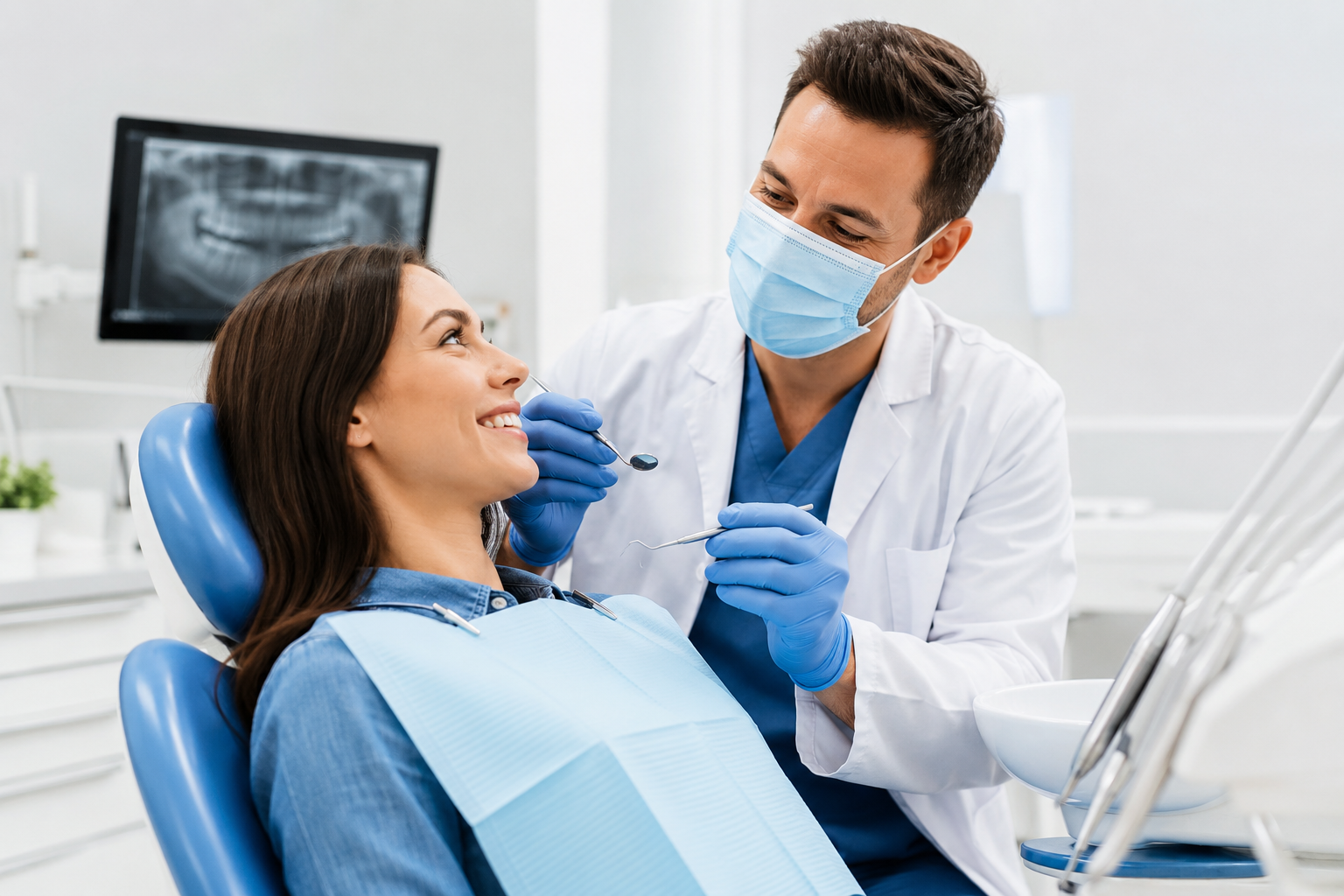
You’ll want fast, reliable dental care when pain, a broken tooth, or sudden swelling interrupts your day in Fullerton, CA. Emergency dental services in Fullerton provide same-day evaluations, pain relief, and procedures to stabilize teeth and prevent complications.
They explain how to recognize true emergencies versus issues that can wait, guide you through immediate steps to manage pain or bleeding, and outline what to expect during an urgent visit.
A friendly neighborhood dental team focuses on comfort, clear options, and follow-up care so you can protect your smile and get back to normal quickly.
Recognizing Dental Emergencies
Understanding the most common signs, when to seek immediate care, and how to tell urgent problems from minor ones helps patients act quickly and avoid complications.
Common Signs and Symptoms
Severe tooth pain that wakes a person from sleep or is constant and throbbing often signals infection or nerve involvement. Pain that intensifies with chewing or pressure can indicate a cracked tooth or an abscess.
Swelling of the face, jaw, or gums — especially if it develops rapidly — suggests spreading infection and needs prompt attention. Fever paired with oral swelling increases the risk of systemic infection.
Uncontrolled bleeding after a tooth extraction or trauma that doesn’t stop with firm pressure for 10–15 minutes requires immediate care. A knocked-out tooth (avulsed) that can be replanted has the best chance if the patient acts within 30–60 minutes.
Sensitive, discolored, or loose teeth after an injury, severe persistent bad taste or drainage in the mouth, and sudden inability to close the jaw are all important warning signs to report.
When to Act Immediately
Go to an emergency dentist or nearest ER immediately for uncontrolled bleeding, signs of airway compromise (difficulty breathing or swallowing), or rapidly progressing facial swelling. These conditions can become life-threatening if delayed.
Seek urgent dental care within hours for an avulsed tooth kept moist in milk or saline, severe uncontrolled toothache with fever, or a bad taste/drainage that suggests an abscess. Quick antibiotic and drainage decisions can prevent spread.
Schedule same-day treatment for severe pain that limits eating or sleeping, a large fractured tooth with exposed nerve, or trauma causing loose teeth and bite changes. Delaying these can increase the chance of permanent damage.
Distinguishing Urgent vs. Non-Urgent Problems
Urgent problems: uncontrolled bleeding, airway compromise, facial swelling with fever, knocked-out teeth, and severe pain that stops normal activity. These require same-day or emergency-room attention.
Non-urgent issues: dull, intermittent sensitivity to cold, a small chip without pain, mild soreness after dental work, or cosmetic concerns that don’t affect function. These can be handled by scheduling the next available dental appointment.
Use a simple checklist: pain severity, bleeding control, swelling speed, fever, and ability to eat/breathe. If multiple checklist items are concerning, treat the problem as urgent and contact an emergency dental provider immediately.
Types of Urgent Dental Issues
Most dental emergencies require prompt action to preserve teeth, control pain, and prevent infection. Quick recognition and the right immediate steps can improve outcomes and reduce the need for more invasive treatments.
Severe Toothache
A severe toothache often signals infection, nerve damage, or a deep cavity. Symptoms include constant throbbing pain, sharp pain when biting, swelling of the face or gums, sensitivity to hot or cold, and a bad taste or foul odor from the mouth.
Immediate steps: rinse with warm salt water, floss gently around the sore tooth, and use over-the-counter analgesics per label directions. Avoid placing aspirin directly on the gum; that can burn tissue. If swelling, fever, or spreading redness occurs, seek emergency care—these are signs the infection may be systemic and requires antibiotics or root canal therapy.
Diagnostic priorities: the dentist will take X-rays, perform pulp testing, and inspect for cracks or abscesses. Treatment options range from fillings and crowns to root canal or extraction, depending on the extent of decay or infection. Pain control and infection management guide initial decisions.
Broken or Knocked-Out Teeth
A fractured or avulsed (knocked-out) tooth demands swift action to maximize chances of saving it. For a knocked-out permanent tooth, time is critical—ideally reimplant within 30 minutes to an hour.
Immediate steps for a knocked-out tooth: hold the tooth by the crown (not the root), gently rinse dirt with milk or saline if needed, and attempt reimplantation if the patient is conscious and can tolerate it. If reimplantation isn’t possible, store the tooth in cold milk or an emergency tooth-preservation kit and get to a dentist immediately. Primary (baby) teeth should not be reimplanted.
For fractured teeth, save broken fragments and clean the mouth with warm water. Apply a cold compress to control swelling and use dental wax or sugar-free gum to cover sharp edges. Treatment may include bonding, crowns, root canal, or extraction depending on root involvement and fracture depth.
Lost Fillings or Crowns
A lost filling or crown can expose dentin or the tooth’s pulp, increasing sensitivity and decay risk. Patients typically notice discomfort when chewing, temperature sensitivity, or a loose restoration.
Immediate care: clean the area gently, avoid sticky or hard foods, and cover exposed dentin with over-the-counter temporary dental cement or sugarless gum until a dental visit. If a crown is recovered intact, a dentist may re-cement it; do not attempt permanent bonding at home.
Clinical evaluation focuses on assessing remaining tooth structure, decay under the restoration, and whether a root canal is needed. Treatment options include new fillings, new crowns, onlays, or, when decay is extensive, extraction followed by implant or bridge planning.
Immediate Steps for Dental Crises
Act quickly, focus on pain control, and protect any broken or displaced teeth. The guidance below explains how to manage pain, prepare for the dentist visit, and treat common injuries at home.
Staying Calm and Managing Pain
They should sit upright and breathe slowly to reduce shock and anxiety. For severe pain, they can take ibuprofen (200–400 mg every 4–6 hours, not exceeding 1,200 mg/day OTC) unless allergic or advised otherwise; acetaminophen is an alternative if NSAIDs are contraindicated.
Cold compresses applied to the cheek for 10–15 minutes on, 10 minutes off, reduce swelling and numb pain. Avoid placing heat on acute swelling. If bleeding occurs, they should bite on sterile gauze or a clean cloth for 10–20 minutes with firm pressure.
They should not use topical numbing gels on children without advice. They should avoid sleeping after taking strong analgesics alone; someone should monitor them if drowsy. If signs of infection appear (fever, spreading swelling, difficulty breathing or swallowing), they must seek emergency care immediately.
What to Do Before You Arrive at the Dentist
Call the dental office or emergency line first and describe symptoms: location of pain, time of injury, medical conditions, and current medications. They should ask whether the practice accepts walk-ins, offers after-hours care, or prefers a direct emergency appointment.
Gather items to bring: a list of medications, insurance card (if available), the knocked-out tooth stored in milk or saline, and a small container. For facial trauma, bring any detached fragments in a clean container; do not scrub them. Follow any specific instructions the staff gives, such as fasting if sedation might be used.
If transport is needed, they should arrange safe travel; avoid driving if dizzy or heavily sedated. For children or elderly patients, bring a caregiver for assistance and consent.
Handling Injuries at Home
For a knocked-out permanent tooth, they should hold it by the crown and, if possible, rinse debris with saline and reinsert it gently into the socket; if reinsertion is impossible, store it in cold milk or Hank’s Balanced Salt Solution. Primary (baby) teeth should not be reimplanted.
For chipped or fractured teeth, rinse the mouth with warm water and apply cold compresses for swelling. If a sharp edge lacerates the lip or tongue, use clean gauze to control bleeding and seek urgent repair for deep cuts. For loosened teeth, avoid chewing on that side and see the dentist within 24 hours.
If the injury involves jaw displacement, severe facial fractures, or trouble breathing, call emergency services immediately. They should document the event time, symptoms progression, and any first-aid measures taken to share with the dental team.
How Prompt Care Protects Your Smile
Prompt attention after a dental injury or sudden tooth pain limits infection spread and reduces the need for extensive restorations. Quick action maximizes options like bonding, crown placement, or root canal treatment while improving comfort and long-term outcomes.
Preventing Long-Term Complications
When a tooth is fractured, knocked loose, or severely painful, bacteria can reach the pulp within hours to days. Early assessment and treatment — such as cleaning the area, placing a temporary or permanent restoration, or starting root canal therapy — stop infection before it damages surrounding bone and adjacent teeth.
Timely care also preserves gum and bone health. If a dentist stabilizes a knocked-out tooth and repositions it within 30–60 minutes, the chance of successful reattachment rises significantly. For abscesses, prompt drainage and antibiotics reduce systemic spread and limit bone loss that would complicate later implant or bridge placement.
Routine follow-up and targeted imaging track healing and catch subtle problems early. That reduces the need for tooth extraction, grafting, or complex prosthetic work months or years later.
Preserving Tooth Structure
Immediate conservative treatments prioritize saving natural tooth tissue. Dentists use bonded composite to rebuild chips and short-term splints to stabilize luxated teeth, avoiding full-coverage crowns or extractions when possible.
When decay or trauma exposes the pulp, early root canal therapy preserves the remaining tooth rather than allowing progressive breakdown. Modern endodontic techniques minimize removal of healthy dentin and enable a stronger final restoration.
Restorative choices depend on timing: a quick composite repair often suffices for small fractures, while delayed care may require a crown, onlay, or extraction and implant. Acting quickly keeps options simple, limits the amount of healthy tooth removed, and shortens total treatment time — which conserves tooth structure and lowers overall cost.
What to Expect During Your Emergency Visit
Patients can expect a focused, efficient visit that prioritizes rapid diagnosis, pain control, and clear next steps. Staff will gather medical history, assess pain, and explain treatment options before proceeding.
Modern Diagnostic Tools
Clinics in Fullerton use digital X-rays and intraoral cameras to pinpoint fractures, root problems, or hidden decay within minutes. Digital radiography reduces radiation exposure and produces images instantly, letting the dentist compare current and prior films side-by-side for accurate decisions.
Many offices also use cone beam CT (CBCT) for complex cases like suspected root fractures or impacted teeth; CBCT creates a 3D image to show tooth position and surrounding bone. Intraoral cameras project high-resolution photos of the inside of the mouth to the computer screen so patients see the exact problem and understand why a specific treatment is recommended.
Diagnostic tests often include pulp vitality checks with cold or electric stimuli and percussion tests to assess nerve involvement. These targeted tools speed diagnosis so clinicians can start pain relief or definitive care the same day when possible.
Comfort-First Treatment Approaches
Clinicians prioritize immediate pain control with local anesthesia and short-term medications when needed, then outline definitive treatment options. For a fractured tooth they may stabilize the tooth with temporary bonding or a crown provision, then schedule a permanent restoration.
For severe infection, the dentist may perform drainage or prescribe antibiotics and then coordinate with an endodontist for root canal therapy if necessary. Sedation choices—oral sedatives or nitrous oxide—are offered for anxious patients, with clear pre-visit instructions about driving and fasting.
Staff explain each step in plain language, show the proposed materials (e.g., composite resin vs. porcelain crown), and provide a written cost estimate and follow-up plan. They also give take-home care instructions—pain control, soft diet, and signs that require immediate return—to reduce uncertainty after the visit.
Special Considerations for Children and Seniors
Children and older adults need different approaches during dental emergencies: prepare for fast pain control, clear communication, and coordination with caregivers or pediatricians. Age-specific risks—like tooth avulsion in kids or medication interactions in seniors—drive treatment choices and follow-up plans.
Unique Needs for Pediatric Emergencies
Children often present with knocked-out baby teeth, fractured permanent incisors, or severe toothaches from untreated cavities. For avulsed permanent teeth, quick action matters: rinse the tooth with saline or milk, avoid scrubbing the root, and hold it by the crown while seeking care within 60 minutes when possible. Baby teeth should generally not be replanted; a dentist will assess risk to the developing permanent tooth.
Fear and cooperation affect treatment. Clinicians use child-friendly language, topical anesthetics, and distraction techniques; sometimes minimal sedation or nitrous oxide helps calm very anxious children. Pain dosing must follow pediatric weight-based guidelines and medications must be coordinated with any pediatrician-prescribed drugs.
Vaccination status, developmental conditions, and special healthcare needs change the emergency plan. Parents should bring a list of medications, dosages, and allergy information. Early education on mouthguards for sports and prompt cavity treatment reduces future emergencies.
Supporting Older Adults Through Treatment
Seniors often face dental emergencies complicated by medications, chronic conditions, and brittle tooth structure. Common issues include root fractures, advanced decay, and abscesses that may present without pronounced pain. Clinicians review the patient’s full medication list—especially blood thinners, bisphosphonates, and anticoagulants—to plan extractions or surgical procedures safely.
Managing dry mouth, reduced saliva, and limited manual dexterity affects both emergency care and at-home recovery. Dentists recommend specific pain regimens that account for kidney and liver function, and they coordinate with primary care physicians when adjusting anticoagulation or antibiotics is necessary. Local anesthesia doses and sedation choices get tailored to cardiac and pulmonary status.
Mobility and cognitive impairment require clear caregiver communication and written aftercare instructions. Arrange transportation, post-op check-ins, and follow-up prosthetic or restorative planning to restore chewing function and nutrition.
Finding Emergency Dental Help in Fullerton
This section explains how to contact nearby emergency dental offices quickly and what to expect for insurance and payment. It focuses on practical steps, phone numbers, clinic hours, and cost considerations so readers can act fast with confidence.
How to Reach a Local Provider
Call the clinic directly for fastest response; many Fullerton practices list an emergency line on their website. Local options include after-hours clinics on Euclid and Harbor Boulevard and several family dental offices that offer on-call dentists.
Prepare a concise description of the problem (severe pain, active bleeding, knocked-out tooth), the time of onset, and any relevant medical conditions or medications. This helps staff triage and advise whether to come in or go to urgent care.
Use these specifics when calling:
- Patient name, age, and phone number.
- Location and whether transport is available.
- Photos of the injury or tooth if possible; many offices accept text or email images for pre-assessment.
If the office is closed, contact the nearest 24-hour hospital emergency department (St. Jude Medical Center is nearby) or the county dental hotline. Keep a list of 2–3 backup providers to avoid delays during peak hours or weekends.
Insurance and Payment Guidance
Confirm network participation before treatment to reduce out-of-pocket costs; Fullerton providers often participate in major plans like Delta Dental, Cigna, Aetna, and Anthem. Ask the office to verify benefits for emergency procedures such as extractions, root canals, and sedation, and request an estimate in writing when possible.
For uninsured patients, many practices offer emergency cash rates, sliding-scale fees, or short-term payment plans. Inquire about immediate payment options: credit card, CareCredit, or in-office financing.
Document all charges and obtain itemized receipts to submit for reimbursement if needed. Keep records of pre-authorization numbers and the name of the staff member who verified benefits. This reduces billing disputes and speeds subsequent claims.
Preventing Future Dental Emergencies
Consistent daily habits, timely dental visits, and simple protective gear reduce the chance of sudden tooth pain or injury. Practical steps include specific brushing and flossing techniques, scheduling routine exams, and using mouthguards during sports or high-risk activities.
Daily Care Tips
Brush twice daily for two minutes using a soft-bristled brush and fluoride toothpaste to remove plaque that causes decay and gum disease. Hold the brush at a 45-degree angle and use small circular motions; avoid hard scrubbing that wears enamel and damages gums.
Floss once daily, sliding floss gently along each tooth and under the gumline to remove food and bacteria where a brush can’t reach. Consider interdental brushes or water flossers if wide spaces, braces, or bridges make flossing difficult.
Limit sticky and hard foods that crack fillings or pull out crowns—chewy candies, ice, and unpopped popcorn kernels are common culprits. Cut crunchy items into smaller pieces and chew with molars, not front teeth.
Manage dry mouth by staying hydrated and avoiding tobacco and excessive alcohol, which increase cavity risk. Use sugar-free gum with xylitol to stimulate saliva after meals and ask a dentist about saliva substitutes if needed.
Routine Dental Checkups
Schedule exams every six months or as recommended based on risk factors like diabetes, smoking, or a history of decay. Dentists detect small problems—cracks, recurrent decay, gum inflammation—before they become emergencies.
Professional cleanings remove tartar and polish tooth surfaces to slow decay and gum disease progression. X-rays identify hidden issues such as root infections or bone loss that need early treatment.
Report sensitivity, loose restorations, or persistent bad breath between visits; prompt evaluation can prevent abscesses or tooth loss. Keep records of past treatments and medications to help the dental team plan safer, faster care.
Mouthguards and Accident Prevention
Use a custom-fitted mouthguard for contact sports or activities with a fall risk; custom guards from a dental office fit better and protect teeth, lips, and jaw more effectively than boil-and-bite versions. Bring the guard to checkups so the dentist can assess fit over time.
Wear a nightguard if grinding or clenching teeth (bruxism) causes fractures, worn enamel, or jaw pain. A dentist can fabricate a nightguard matched to the bite to distribute forces and prevent costly repairs.
Secure loose objects in the mouth—pens, bottle caps, or nails—are frequent causes of chipped teeth. Recommend safe alternatives and supervise children during play to lower the chance of traumatic dental injuries.
Reassurance and Next Steps
Patients receive calm, practical guidance the moment they contact the clinic. The team confirms the situation, explains expected wait times, and outlines immediate steps to manage pain or bleeding.
If the issue requires urgent in-office care, staff explain what will happen at arrival. They describe the examination, possible X-rays, and common treatments like temporary splints, extractions, or root canal therapy.
For problems that can be stabilized at home, the clinic provides clear, safe instructions. These include cold compresses, over-the-counter pain relievers (with dosage reminders), and when to return if symptoms worsen.
Patients get a short written plan before leaving, listing follow-up appointments and home care tips. That plan often includes contact numbers and guidance on emergencies after hours.
Common reassurance points:
- Pain control: Simple, effective options explained clearly.
- Preservation first: Dentists try to save the tooth when appropriate.
- Safety: Sterile techniques and updated infection-control protocols.
They encourage preventive follow-up to reduce future emergencies. Patients are invited to ask questions, request treatment estimates, or schedule routine care to protect long-term oral health.
Frequently Asked Questions
This section explains what needs immediate attention, what the ER can and cannot do, short-term steps for pain control, timing and care for fractured or avulsed teeth, typical urgent-visit costs and payment options, and how dentists handle jaw swelling or abscesses.
What counts as a true dental emergency versus something that can wait until regular office hours?
A true dental emergency causes uncontrolled bleeding, severe pain that stops sleep or medication doesn’t relieve, visible facial swelling that affects breathing or swallowing, or a knocked-out tooth.
Problems like minor sensitivity, a small chip that doesn’t hurt, or steady but manageable discomfort can usually wait for the next available dental appointment.
If I go to the emergency room for a tooth infection, will they treat it or pull the tooth?
Emergency departments will address life-threatening issues first: they can prescribe antibiotics and pain medication and manage severe swelling that threatens the airway.
They generally do not extract teeth or provide definitive dental care; the ER will usually refer the patient to an urgent dental clinic or an on-call dentist for removal or root-canal treatment.
What should I do right now for a severe toothache until I can be seen by a dentist?
Rinse gently with warm salt water every few hours to reduce bacteria and soothe tissues.
Take over-the-counter pain relievers such as ibuprofen or acetaminophen according to package directions, avoid very hot or cold foods, and apply a cold pack to the cheek for 10–15 minutes to reduce inflammation.
How quickly can I be seen for a broken tooth or knocked-out tooth, and what should I do on the way in?
Many emergency dental offices see patients the same day for fractured or avulsed teeth; call ahead to reserve a slot and describe the injury.
For a knocked-out permanent tooth, hold it by the crown, rinse gently if dirty, and try to reinsert it; if reinsertion isn’t possible, keep it moist in milk or saline and arrive within 60 minutes for the best chance of saving it.
How much does an urgent dental visit typically cost, and do you offer payment plans or accept dental insurance?
Urgent visit fees vary but commonly include an exam/triage fee ($50–$150) plus any emergency procedures; extra costs apply for X-rays, extractions, or root canals.
Many dental offices accept major dental insurance, offer out-of-pocket estimates before treatment, and provide payment plans or third-party financing to spread costs when needed.
Can you provide same-day relief for a swollen jaw or abscess, and what treatments are available to keep me comfortable?
Yes; same-day care often starts with antibiotics and a prescription-strength pain plan to reduce infection and swelling quickly.
Definitive treatments include drainage of an abscess, root canal therapy, or tooth extraction; dentists also use local anesthesia and sedation options to keep patients comfortable during procedures.